


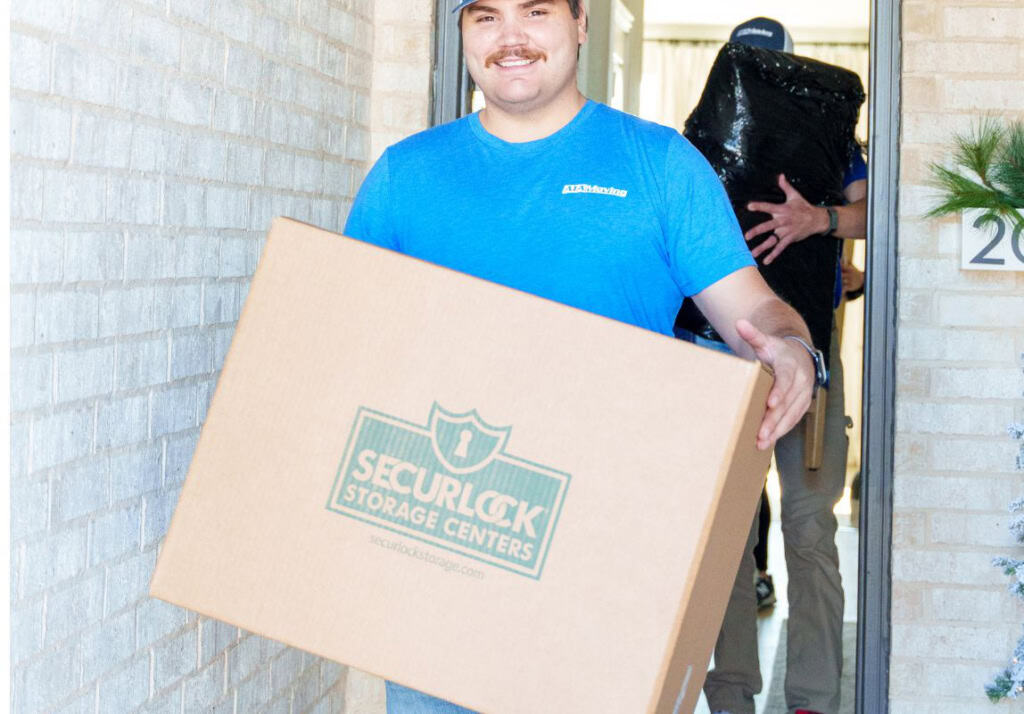
A “consignment” refers to the entire batch of goods officially handed over to a carrier. In 2026, with the rise of automated sorting and high-efficiency transit, professional packing has become a science. Here are the definitive steps to ensure your consignment is “transit-ready.”
Step 1: Inventory Categorization (The Pre-Pack)
Before a single piece of tape is cut, you must know what is in the consignment. Modern moving involves creating a digital manifest. Categorize items by:
- Fragility: Glassware, electronics, and artwork.
- Weight: High-density items (books) vs. low-density items (linens).
- Value: High-value items that may require additional insurance or “Full Value Protection.”
Step 2: Selecting E-Commerce Grade Materials
In 2026, standard “grocery store boxes” no longer cut it. Professional consignments require specific materials to withstand the rigors of long-haul stacking:
- Double-Walled Corrugated Boxes: Necessary for heavy items or fragile electronics.
- Bio-Degradable Void Fill: Replacing traditional plastic peanuts with starch-based alternatives or honeycomb paper.
- Industrial-Strength Polypropylene Tape: To ensure seals do not burst under high Texas humidity.
Step 3: The “Cushioning and Bracing” Technique
This is where the actual packing happens. The goal is to eliminate internal movement within the box.
- The Bottom Layer: Start with 2–3 inches of cushioning (crumbled paper or foam) to act as a shock absorber.
- Individual Wrapping: Wrap each item separately. For the Piney Woods region, we recommend using moisture-wicking wrap to prevent mold in the humidity.
- The Shake Test: Once the box is packed, give it a gentle shake. If you hear items shifting, add more void fill. Items should be “suspended” in the center of the box.
Step 4: Sealing for Security (The H-Tape Method)
To ensure the integrity of the consignment, professional packers use the H-Tape Method. This involves sealing all open seams of the box (both top and bottom) to create an “H” shape. This reinforces the structural corners and prevents the box from collapsing under the weight of other stacked items in the truck.
Step 5: Labeling and Consignment Tracking
A box without a label is a box that gets lost. Every piece of your consignment should feature:
- Directional Arrows: “This Side Up” indicators for electronics and liquids.
- Room Destination: Helps the movers offload with speed.
- QR Code Labels: Many 2026 moving companies now use QR codes that, when scanned, show a photo-inventory of what is inside that specific box.
Step 6: The Staging Phase
Once the individual units are packed, they are grouped into the final consignment. This involves:
- Grouping heavy boxes at the bottom.
- Identifying “Essentials” boxes that should be loaded last (and unloaded first).
- Staging the consignment in a dry, climate-controlled area to prevent heat damage before the truck arrives.
Summary: Why the Process Matters
Packing a consignment properly reduces the risk of damage claims by over 80%. While it takes more time upfront, the methodical approach ensures that your belongings arrive in the same condition they left – whether they are traveling ten miles or a thousand.
Expert Tip: Always pack a “First-Night Box” as part of your consignment. Include chargers, basic toiletries, and a few tools. It’s the first thing you’ll want when you reach your new destination!
Need help sourcing the right materials for your move? I can provide a list of recommended packing supplies or help you calculate exactly how many boxes you’ll need based on your square footage. What can I help with next?