


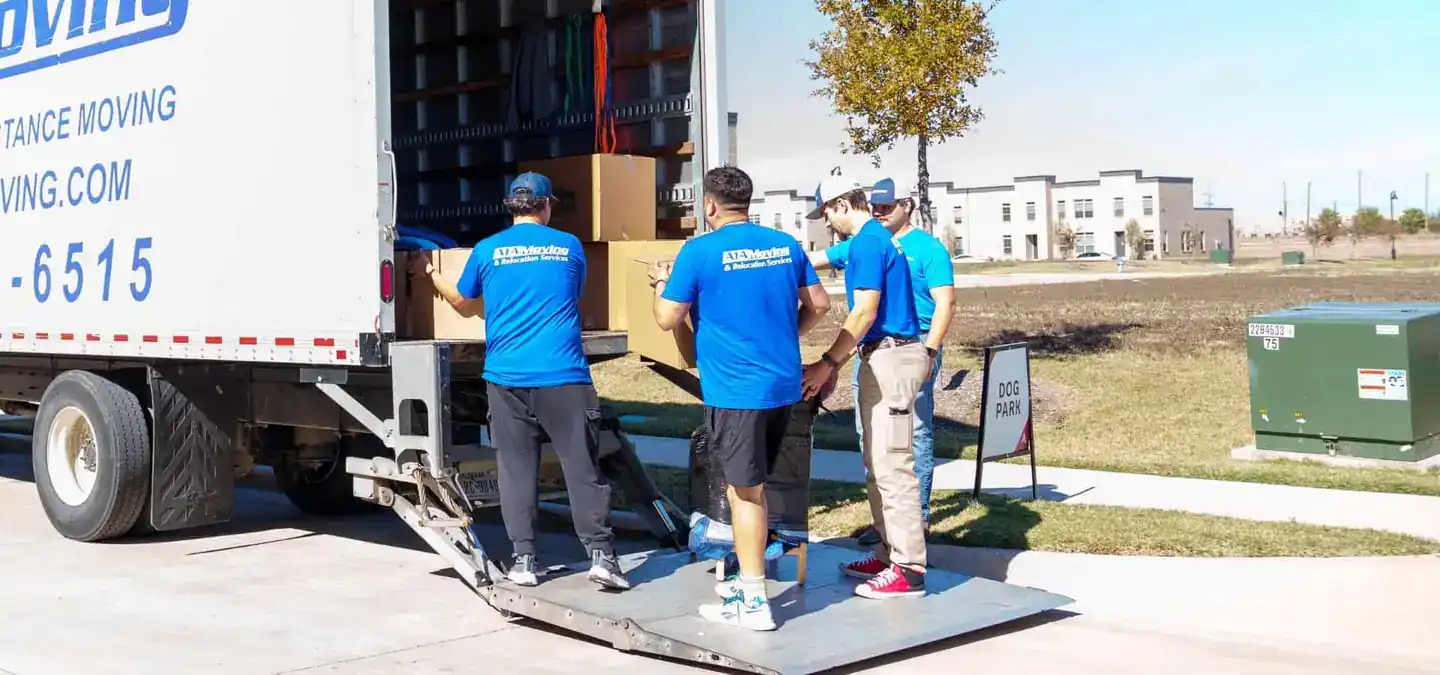
Everything is bigger in Texas – including the logistics of moving. Whether you are moving from a high-rise in Uptown Dallas to a bungalow in Oak Cliff, or hauling your entire life from the humid streets of Houston to the desert vistas of El Paso, the “Lone Star State” presents a unique set of challenges.
In 2026, as the Texas housing market stabilizes and the population continues to swell, understanding the nuances of local vs. long-distance moves is the difference between a seamless transition and a budget-busting nightmare. This guide breaks down exactly what you need to know about costs, regulations, and Texas-sized planning.
The Texas Distinction: When is a Move “Long-Distance”?
In smaller states, a three-hour drive might take you through three different jurisdictions. In Texas, you can drive for ten hours and still be looking at a “Welcome to Texas” sign. Because of this scale, the distinction between local and long-distance is defined by mileage rather than city limits.
- Local Moves: Generally categorized as any relocation under 100 miles. These are usually handled by a small crew and a single truck, with billing handled on an hourly basis.
- Long-Distance (Intrastate): If your move exceeds 100 miles but stays within the Texas border, it is considered an “intrastate long-haul.” These are regulated differently and typically billed by weight and distance.
- Interstate Moves: Moving from Texas to another state. These require federal authority (USDOT) and are the most complex in terms of pricing.
2026 Moving Cost Estimates: What to Expect
With labor costs and fuel prices fluctuating in 2026, transparency is key. Here is a breakdown of what Texas residents are currently paying for professional moving services.
1. Local Moves (Hourly Billing)
Local movers typically charge for the number of movers and the time it takes to load, transit, and unload. In 2026, the average hourly rate in Texas ranges from $140 to $220 per hour for a two-man crew.
| Home Size | Average Hours | Estimated Cost Range |
|---|---|---|
| Studio / 1-Bedroom | 3 – 5 Hours | $450 – $900 |
| 2 – 3 Bedrooms | 6 – 10 Hours | $1,100 – $2,200 |
| 4+ Bedrooms | 10+ Hours | $2,500 – $5,000+ |
2. Long-Distance Moves (Weight & Mileage)
For moves like Austin to Amarillo, movers shift away from hourly rates. Instead, they provide a binding or non-binding estimate based on the total weight of your belongings and the distance traveled.
| Route Type | Typical Distance | Estimated Cost (2-3 Bed) |
|---|---|---|
| Regional (e.g., Dallas to Waco) | 100 – 150 Miles | $1,800 – $3,500 |
| Cross-State (e.g., Houston to Lubbock) | 500+ Miles | $3,500 – $7,000 |
| Out of State (e.g., Texas to Florida) | 1,000+ Miles | $6,000 – $14,000+ |
Factors That Influence Your Texas Moving Quote
Moving companies don’t just look at a map to determine your price. Several “hidden” factors can drive the cost up or down:
- The “Stair Factor”: If you are moving into a third-floor apartment in Downtown Austin without an elevator, expect a “long carry” or “stair fee.”
- Peak Season Premiums: In Texas, May through September is the busiest time for movers. Booking a move in mid-July can cost 25% more than a move in January.
- Packing Services: Professional packing usually adds $400 to $1,500 to the total cost, depending on the volume of fragile items.
- Storage-in-Transit: If your new home isn’t ready, you’ll pay for the truck to sit or for items to be moved into a warehouse.
Essential Tips for Moving in the Lone Star State
1. Verify the TxDMV Certificate
Don’t get “scam-moved.” In Texas, all intrastate movers must be registered with the Texas Department of Motor Vehicles. Always ask for their TxDMV number and verify it on the official state portal. This ensures the company carries the legally required cargo and liability insurance.
2. Prepare for the “Texas Toaster” (The Heat)
If you’re moving during the Texas summer, you aren’t just moving furniture; you’re managing a health hazard.
- Early Birds Win: Start your move at 7:00 AM. By 2:00 PM, the heat inside a moving truck can exceed 120°F.
- Hydration Station: Provide a cooler of water for your movers. It’s not just polite; it keeps the crew moving efficiently.
- Protect Melts: Don’t pack candles, vinyl records, or delicate electronics in the truck. Transport these in your climate-controlled car.
3. Understand Valuation (It’s Not Insurance)
In Texas, you and your mover agree in writing on how much the mover is liable for, and a common basic option limits it to $0.60 per pound, per article (see TxDMV’s Your Rights and Responsibilities When You Move in Texas). Interstate moves use the same 60-cent released value protection under federal rules. Under that basic option, if your $1,500 MacBook weighs 3 pounds and gets crushed, the mover is only liable for $1.80. For long-distance moves, always opt for Full Value Protection.
4. The “De-Clutter” Discount
For long-distance moves, weight equals money. 2026 is the year of the “Digital Marketplace.” Sell your heavy, outdated furniture on Facebook Marketplace or Amarillo’s local classifieds and use that cash to buy new furniture that ships directly to your new home. Why pay $300 to move a $100 couch?
If you are headed out of the area, our long-distance moving service handles moves across Texas and beyond, and families in the south Dallas suburbs can book our Cedar Hill moving company for the local end.
Final Verdict: Which Move is Right for You?
If you are staying within the same city, a Local Move with an hourly crew is your best bet for flexibility. However, if you are crossing the vast expanses of West Texas or the Piney Woods, a Long-Distance Specialist with a weight-based contract offers more protection and logistical certainty.
Pro Tip for 2026: With the rise of AI-driven logistics, many Texas movers now offer “Virtual Surveys.” You can walk through your home with your smartphone camera to get a guaranteed quote without a salesperson ever entering your house.
Planning a move soon? I can help you create a custom 8-week moving timeline or a specific packing list for your Texas-bound journey. What’s your next destination?